Annas Chaudhary
13 Easy Steps to Buying a Home in BC
A recent survey by Manulife showed that more than one-third of Canadian homeowners were caught short on funds at least once in the past year. That is not great when you are looking to buying a home in BC. Around 10% said it happened a few times, and four percent stated that they were in a financial shortfall almost every month. The survey was conducted by Environics Research between February 3rd and 20th of 2016
Although each experience is different when your buying a home in BC, almost everyone experiences the same 13 steps. If you understand what they are ahead of time, you will be able to go into the process better prepared and more confident. For most people, buying a house in BC is the biggest transaction they will make in their lifetime.

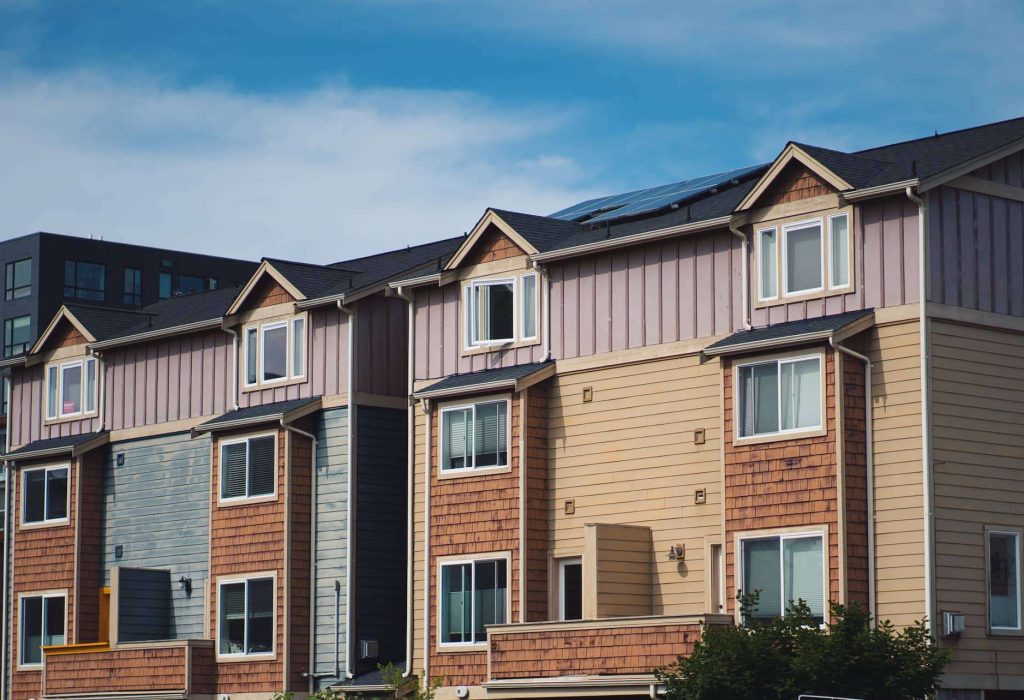



Buying a home in BC is a life-changing decision that requires a significant purchase and continuous work to maintain the property value. With ownership comes also an understanding of the pertaining rules and regulations in order to know your limits and what you’re legally allowed to do with the land/home. Some people believe they can do as they please on their own land but, unfortunately, this isn’t the reality in today’s society.
Local zoning bylaws determine how the land can be used, and individual titles may have covenants, restrictions, easements, etc. On top of the costs and responsibilities that come with owning property, there are risks like earthquakes, floods, fires, etc., which is why most people purchase insurance. This adds to the continual cost to buy a home in BC.
Even thinking to buy a home is a large task, and it’s important to know all the steps involved before starting the process. If you buy a home in BC for the first time, look into any federal or provincial programs that might apply to you.
Did you know that your credit rating is important when it comes to large sums of money? For example, most people need mortgages to purchase homes, and the interest rates paid on these mortgages are sensitive to one’s credit rating. In Canada, two major credit reporting agencies –TransUnion and Equifax Canada — keep tabs on citizens credit histories.
The reports generated by credit agencies are used by financial lending institutions to determine whether or not to extend your credit. The lower your credit score, the higher your risk and the more you will pay interest on borrowed money. If your rating is low enough, you may not even qualify for a loan. That’s why it’s important to know and understand your credit rating and score—so that you can gauge your financial health from potential lenders’ perspective.
Credit scores in Canada usually fall somewhere between 300 and 900. For example, a score of 560-659 may be considered fair, 660 724 good, 725-759 very good, and anything above 760 excellent. However, it’s important to keep in mind that these numbers vary slightly between organizations. Having a higher number is always better than having a lower number. Do you know the credit score required when buying a home in BC?


Before you start shopping with the goal of buying a home in BC, it is crucial that you get pre-approved for a mortgage. Find a dependable mortgage broker who can show you multiple options. Understand that though, a pre-approval falls under different circumstances than being pre-qualified. If a lender only prequalifies you then they are merely giving you an estimated number of what could be borrowed.
First, understand that preapproval for a loan does not guarantee you will get the loan. If a lender tells you that you are preapproved, this typically means they will give you the loan after reviewing your financial information.
Asking whether any benefits apply to first-time buyers is also prudent when getting mortgage broker pre-approval. However, it’s essential to grasp that both elements—the home itself and the agreed-upon purchase price—are instrumental in deciding whether or not to grant the loan.
If you buy a home in BC that is classified as high-risk and pay more than it’s worth, the likelihood of being approved for a loan decreases. By comprehending these three different factors, you will be able to get in touch with a real estate agent who can assist you with finding and buying a home in BC.
It’s also key to think about your needs and wants. What do you need in a home and property to cater to your family’s requirements? And what would you like if it falls within your budget? For example, is having a stunning ocean view more important than being close to schools?
Prior to setting out to look for your home, document what you need and want in a house. This will help you stay levelheaded throughout the process as emotions can run high when picking something that will be your day-to-day reality. Remember, you are not just buying four walls and a roof – you are creating a sanctuary for yourself where memories will be made.
Too many people do not understand the real estate industry. This is reflected in statements such as I am not willing to commit to a single agent; I am going to interview agents before hiring one, and I do not need the services of a real estate agent. The laws and regulations in BC state that an agent cannot interrupt the professional relationship you have with another agent. In other words, you can only have one agent working for you in the same area.
Just as you are interviewing potential real estate agents, they are also assessing whether or not you would be a good fit for them. It is important to remember that they will be committing their time and money to help you, so the partnership has to work both ways. Home buyers can engage the services of a real estate agent without having to pay anything upfront for their professional services. When buying a home in BC, the seller pays the agent’s agency after the deal completes. Given that you can receive free help from an expert in buying a home in BC, why would choose to do it alone?
In British Columbia, you can engage the services of a real estate agent as either an unrepresented party or their client. To understand the difference, think of it like this: as a customer of the agent, they will be selling you home; but as clients, they are doing whatever possible to help meet your needs in buying one. The law that applies to this relationship is called Agency Law and is currently explained in BC Real Estate Council’s Pamphlet on Disclosure Representation in Trading Services.
When buying a home in BC, you are best served by being a client of the agent and the agent should be working exclusively for you as your buyer’s agent. A lot of Canadians choose to work with Annas Chaudhary.
A typical real estate market can encompass a large area, which might have both rural and urban sections as well as different types of cities, towns, or villages. The regular home buying process usually involves finding an elimination method that starts with picking a non-rural or city location ideal for you.
By process of elimination, you can save time by honing in on certain locations that fit your needs until you find the perfect home. For example, if you want to buy a home for sale in Langley, but then decide that what you really need is a house situated near Vancouver instead.

After you are preapproved, choose an agent, and if you have a home to sell, get an accepted offer on your current home. Why you ask? If you find “the home” and fall in love with it, especially in a fast moving real estate market you will need to be in a position to make an offer on it to have a chance at buying it or risk disappointment and losing out on it.
In a market where properties are selling fast, it may be difficult to get a seller to agree to an offer that is contingent on the sale of your current home. Since sellers are typically only willing to show their homes to qualified and serious buyers, they often ask real estate agents to screen potential viewers in advance.
In certain market conditions, real estate agents will ask buyers if they have a home to sell before making an offer. Most people don’t like having their time wasted, and homeowners are no different. Talk with us when buying a home in BC!
After you’ve found a few potential homes that fit your needs, it’s time for another walkthrough. This time, bring along a notebook and make some observations about each house. What do you like and don’t like? Are there any features that you absolutely need or want in an offer? If so, jot them down.
From the three options you’ve selected, choose the best one and make an offer. It shouldn’t be necessary to go back for a third look before you buy a home; sellers will expect a second viewing by buyers who are interested, and if a fourth is scheduled they might react negatively. There are always exceptions to rules like this, but generally speaking, that’s how it works when buying a home in BC.

An offer is only as good as a written down agreement, which is why you need to be direct about prices, deposits, and any stipulations. These are called “conditions”, or what many in the market affectionately call “subject to”. The most typical addendums cover title searches, property disclosure statements, financing, inspections, and insurance.
However, there are plenty of others that could be pertinent to a specific home or piece of property. A reliable real estate agent will be able to advise you on other agreements that should be included in order to protect your interests as the buyer.
An offer is made with a set amount of time to investigate the conditions before making a decision on whether or not to remove them.
Depending on the situation, you may need to consult with other experts, like home inspectors or septic tank specialists. A good real estate agent will be able to give you a list of qualified professionals in your area so that you can pick the ones best suited for your needs.
Furthermore, you should plan to schedule the appointments during the condition removal period, so that they have time to do their job as well as for you to receive and review their information before buying a home in BC.
An extremely important step in a real estate purchase is the removal of conditions from the contract. Once this happens and the contract becomes unconditional, you have purchased the home according to legal standards.
After this step, the focus will be on your lawyer or notary who will help with transferring the title and money as well as signing the final mortgage documents.
The above steps are the quintessential guide to purchasing real estate; however, it can be more complicated than that. A reliable and professional real estate agent like Annas Chaudhary will help you every step of the way. He specializes in local markets and provides award-winning services– perfect for anyone, whether a first-time home buyer or downsizing senior citizen.